PROFESSIONAL METAL PROCESSING MACHINE MANUFACTTURER

PHONE:
E-Mail:
Unlock Efficiency: The Advantages of CNC Drilling Machines for Plates
Source:
Author:
Unlock Efficiency: The Advantages of CNC Drilling Machines for Plates
Table of Contents
- 1. Introduction to CNC Drilling Machines
- 2. What is CNC Drilling?
- 3. Key Benefits of CNC Drilling Machines for Plates
- 4. The CNC Drilling Process
- 5. Advantages of CNC Drilling in Manufacturing
- 6. Frequently Asked Questions (FAQs)
- 7. Conclusion
1. Introduction to CNC Drilling Machines
CNC (Computer Numerical Control) drilling machines have become a cornerstone in the realm of **metal processing**, particularly when it comes to drilling plates. These machines utilize advanced technology to perform complex operations with exceptional accuracy, making them an indispensable tool in modern manufacturing environments. As industries strive for higher efficiency and precision, understanding the advantages of CNC drilling machines is crucial for maximizing productivity.
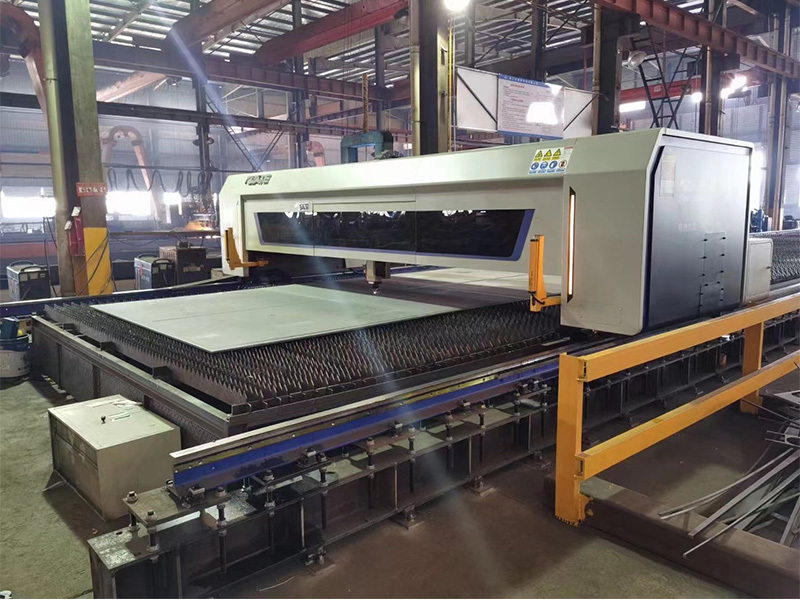
2. What is CNC Drilling?
CNC drilling is a manufacturing process that automates drilling operations using computer-controlled machines. Unlike traditional drilling methods, which rely heavily on manual input and operator skill, CNC drilling machines execute pre-programmed commands, ensuring consistent quality and reducing the likelihood of human error. The use of **CNC technology** allows for intricate designs and patterns to be achieved with ease, further enhancing the capabilities of manufacturers.
3. Key Benefits of CNC Drilling Machines for Plates
CNC drilling machines offer a multitude of benefits that can transform manufacturing processes. Below, we delve deeper into these advantages:
3.1 Precision Engineering
One of the most significant advantages of CNC drilling machines is their unparalleled precision. These machines operate with tight tolerances, often within thousandths of an inch, ensuring that every hole is accurately drilled to specification. This precision is essential in industries where even minor deviations can lead to significant issues, such as aerospace and automotive manufacturing.
3.2 Increased Efficiency and Speed
CNC drilling machines are designed to optimize production times. With the ability to execute complex drilling patterns at high speeds, these machines drastically reduce the time required to complete projects. Additionally, the automation of operations minimizes downtime associated with manual adjustments and setups, allowing manufacturers to increase their output significantly.
3.3 Cost-Effectiveness in Production
Investing in CNC drilling technology can lead to substantial cost savings in the long run. Although the initial purchase price of CNC machines may be higher than traditional equipment, the efficiency and precision they offer translate into reduced material waste and lower labor costs. Moreover, faster production times mean that companies can fulfill orders more quickly, enhancing their competitiveness in the market.
3.4 Versatility in Applications
CNC drilling machines are incredibly versatile and can handle a wide range of materials, from aluminum and steel to more specialized composites. This adaptability makes them suitable for various applications, including construction, automotive parts fabrication, and custom piece production. As industries evolve, the need for versatile machinery that can accommodate diverse materials and designs becomes increasingly important.
4. The CNC Drilling Process
Understanding the CNC drilling process is essential for manufacturers looking to integrate this technology into their operations. Here, we outline the key steps involved:
4.1 Programming CNC Machines
Programming a CNC drilling machine involves creating a detailed blueprint for the desired drilling pattern. This is typically done using specialized CAD (Computer-Aided Design) software, which translates designs into machine-readable code (G-code). This programming allows for the precise execution of drilling operations, ensuring that every aspect of the design is replicated accurately.
4.2 Material Selection Considerations
Choosing the right material for drilling is crucial to achieving optimal results. Factors such as material hardness, thickness, and intended application can significantly influence the drilling process. Understanding these parameters helps manufacturers select the appropriate tooling and settings for their CNC drilling machines, ensuring efficient performance and quality outcomes.
5. Advantages of CNC Drilling in Manufacturing
The integration of CNC drilling machines into manufacturing processes provides numerous advantages, impacting overall efficiency and product quality. Some of these benefits include:
- **Enhanced Quality Control**: With the precision of CNC machining, manufacturers can achieve consistent quality across production runs, minimizing defects and rework.
- **Improved Safety**: Automation reduces the need for manual labor in hazardous environments, significantly improving workplace safety.
- **Scalability**: CNC machining allows for rapid scalability, enabling manufacturers to adjust production levels based on market demands without compromising quality.
- **Complex Geometries**: The ability to create intricate designs and geometries is a game-changer in manufacturing, allowing for innovative product development.
6. Frequently Asked Questions (FAQs)
1. What types of materials can CNC drilling machines work with?
CNC drilling machines can handle a variety of materials, including metals like steel, aluminum, and titanium, as well as composites and plastics.
2. How does CNC drilling improve productivity?
CNC drilling machines enhance productivity by automating processes, reducing manual labor, and completing tasks more quickly and accurately than traditional methods.
3. Are CNC drilling machines suitable for small-scale projects?
Yes, CNC drilling machines are versatile and can be used for both large-scale manufacturing and smaller custom projects, offering flexibility in production.
4. What is the typical cost of investing in a CNC drilling machine?
The cost of CNC drilling machines varies widely based on their specifications, capabilities, and brand, ranging from a few thousand to several hundred thousand dollars.
5. How do I maintain a CNC drilling machine?
Regular maintenance of CNC drilling machines involves routine cleaning, lubrication, calibration, and inspections to ensure optimal performance and longevity.
7. Conclusion
CNC drilling machines represent a significant advancement in the field of **metal processing**, providing manufacturers with unparalleled precision, efficiency, and versatility. By embracing this technology, businesses can enhance their production capabilities, reduce costs, and improve product quality. As industries continue to evolve, the adoption of CNC drilling machines will be integral to meeting the challenges of modern manufacturing. Unlocking the full potential of these machines is not just an investment in equipment, but a strategic move towards a more efficient and productive future.
CONTACT US
-
Add : Room 520, zhengda times square, 112 jiefang road, lixia district, jinan city, shandong province
Phone : +86-13505310820 -
wechat/whatsapp ID: 0086-13505310820
E-Mail : wensun88@aliyun.com
WEB : www.farincnc.com
Recommended Products / Solution /
Success Case


Webpage Copyright © 2022 Shandong Farin International Trade Co.,ltd